
Satlyt plans to run AI processing software on another satellite
By Automate Basics, written with AI from TechCrunch's original
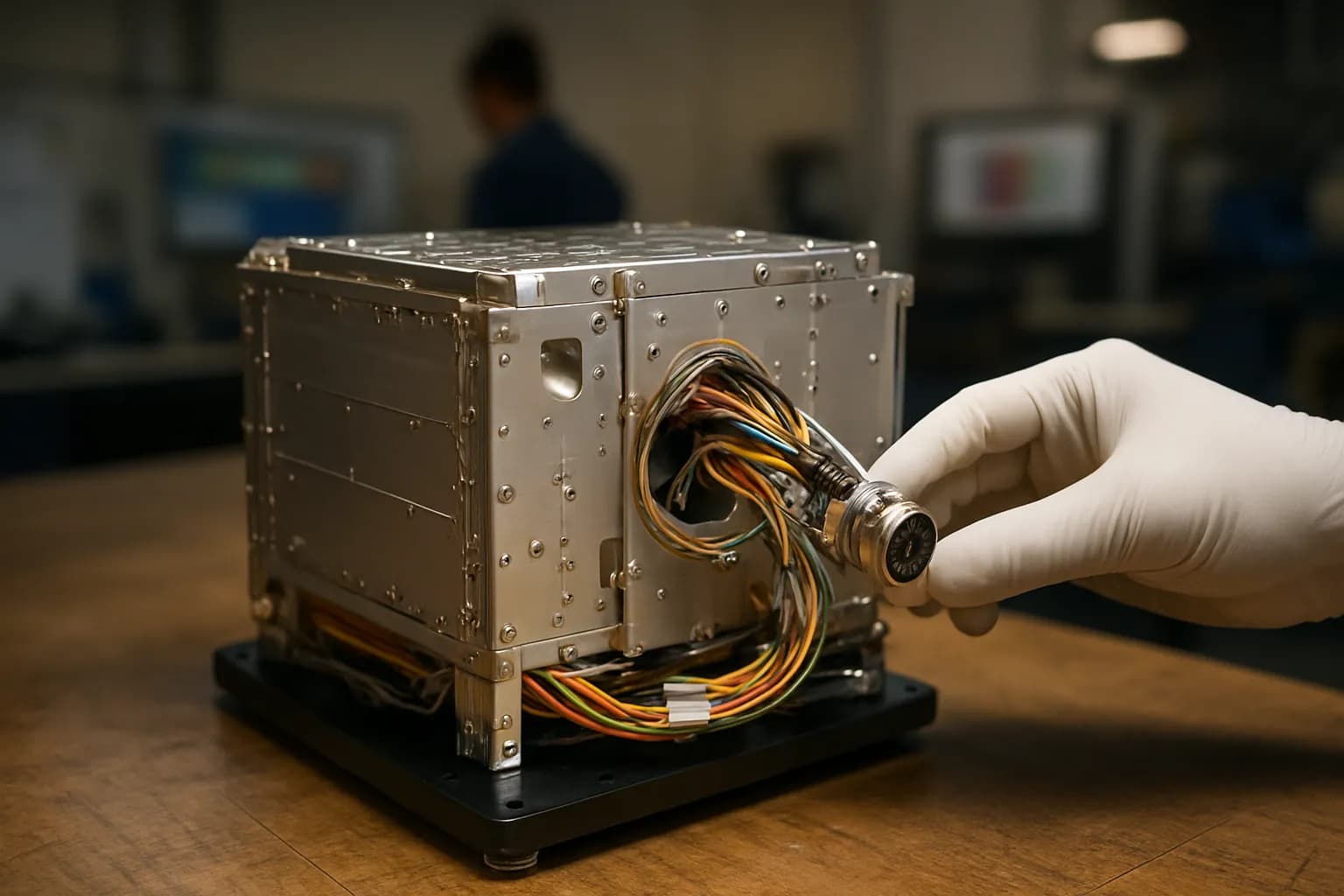
Satlyt is preparing to run its software on a TakeMe2Space satellite, TechCrunch reports. The company wants spacecraft operators to process information in orbit rather than send every task back to Earth.
What changed
Satlyt is preparing another flight for software designed to run computing tasks on satellites, according to TechCrunch. The upcoming mission will use a spacecraft built by TakeMe2Space. TechCrunch reports that NASA will test approaches to cloud computing in orbit, Stellerian will test image processing, and TakeMe2Space will show that its hardware can run software from other companies.
Satlyt has already flown its software on two demonstration missions. On one spacecraft operated by Momentus, the company ran Google DeepMind’s Gemma model to reduce the amount of information sent to Earth about software faults. TechCrunch reports that the resulting transmission was more than 60% smaller. Satlyt’s broader goal is software that can work across spacecraft from different builders, rather than a system tied to one company’s satellites.
Who can use Satlyt’s satellite software?
Satlyt’s software is aimed at spacecraft builders and teams that operate satellites, not at people looking for a general office AI tool. TechCrunch describes its immediate uses as handling spacecraft problems and processing sensor data while a satellite is in orbit. For those teams, sending less data to Earth could matter because transmissions can be slow and costly.
The report names participants in the upcoming mission but does not say that Satlyt offers a publicly available plan, a self-service trial or a published price. It also does not specify which types of spacecraft can currently run the software. A team considering it would need to ask Satlyt about hardware requirements, access and commercial terms rather than assume the demonstration missions amount to a general release.
How could a spacecraft team try it at work?
A spacecraft operations team could start with a narrow task that already requires frequent transmissions to Earth, such as reporting software faults or processing sensor readings. The reported Gemma demonstration gives a concrete example: reducing what needed to be sent about a fault, rather than asking an AI model to manage an entire spacecraft.
For a trial, the team would need to compare the information produced in orbit with the original data and its existing ground-based process. The useful checks are whether the output preserves details needed to diagnose a problem, whether decisions can be reviewed, and whether less data actually needs to be transmitted. TechCrunch reports a planned test of shared computing across different satellites, but that capability has not yet been demonstrated in the article.
Frequently asked questions
What does Satlyt’s software do?
Satlyt is developing software to run computing tasks, including AI models, on satellites. TechCrunch reports that its demonstrated uses include reducing information transmitted about spacecraft software faults. The company ultimately wants its software to work across satellites built by different companies.
Can my team sign up for Satlyt?
TechCrunch does not describe a public sign-up process, plan or price. It reports demonstration missions and an upcoming mission involving NASA, Stellerian and TakeMe2Space. Teams interested in using the software would need to confirm availability and requirements with Satlyt.
Has Satlyt connected multiple satellites into a computing cloud?
Not according to the reported milestones. TechCrunch says Satlyt has flown software on two demonstration missions and plans to test a shared computing system across different satellites in a later project. The article does not report a completed cross-satellite demonstration.
Related reading
 Google Play lets people run private AI-built apps on AndroidGoogle says adults in the U.S. can build an Android app with Google AI Studio and run it privately through Google Play. The app stays off public listings, making the feature useful for trying a personal work tool without publishing it.
 Facebook adds AI-powered controls for Feed and Reels recommendationsMeta has brought Your Algorithm to Facebook, letting users describe the topics they want to see more or less often in Feed and Reels. For people who follow work-related topics, the feature offers a way to adjust recommendations without relying only on individual post feedback.
 Flox sells AI devices that deter wildlife near transport routesFlox Intelligence sells battery-operated devices that identify nearby animals and play sounds intended to move them away. TechCrunch reports that the system is in use at transport sites and other outdoor locations, with software for monitoring activity and producing reports.
Written with AI from TechCrunch's original and published after automatic checks: every figure here appears in the original, and no sentence is copied from it. The picture is AI-generated. The original is the authority.
Source: SpaceX and Google both said no. Now his software is riding a SpaceX rocket next to Google’s, TechCrunch, 13 Oct 2026.