
PrismML adapts its Bonsai AI model for Qualcomm smart glasses
By Automate Basics, written with AI from TechCrunch's original
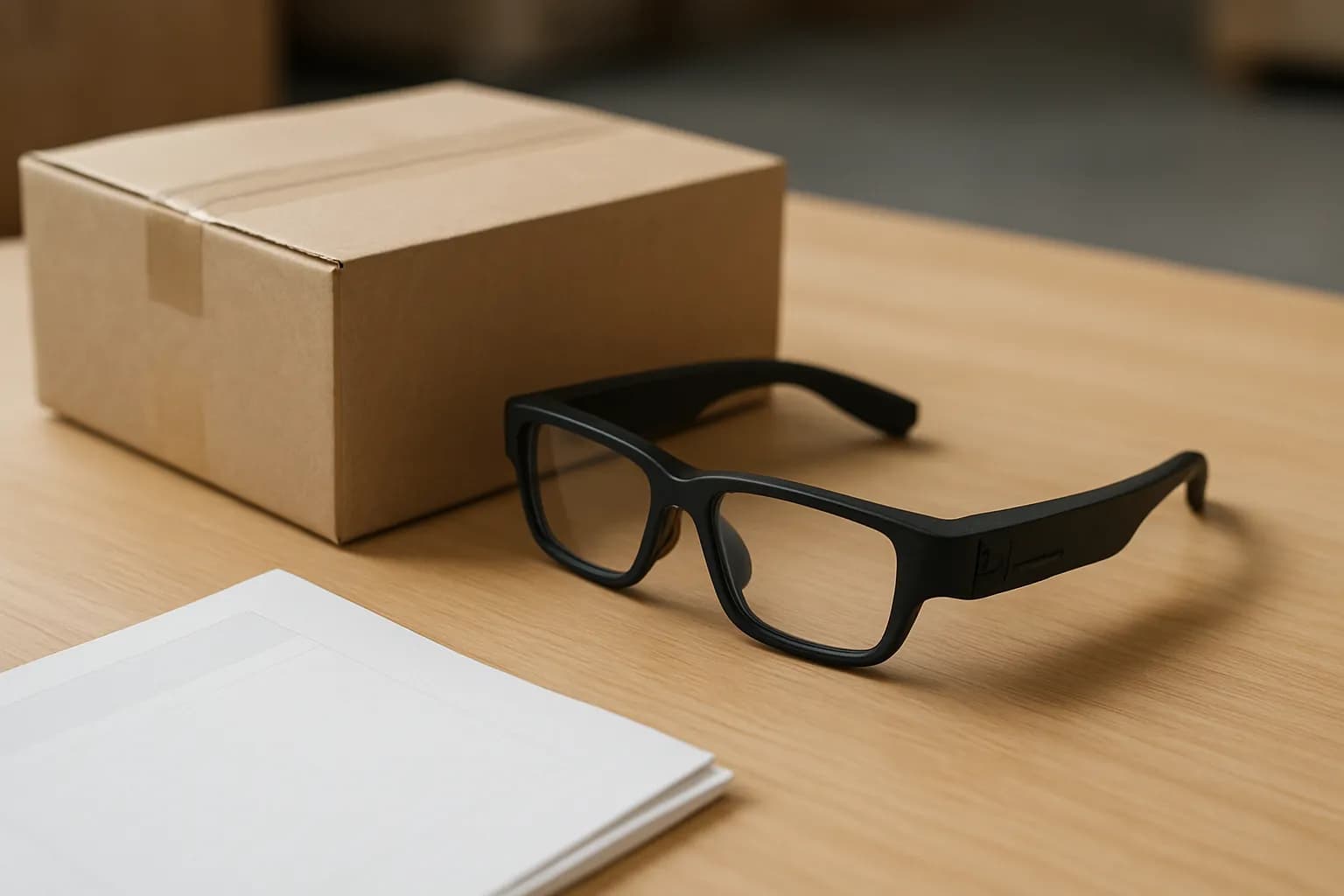
PrismML has adapted its Bonsai language model to run locally on smart glasses using Qualcomm chips, TechCrunch reports. The model can answer questions about what a wearer sees, but no glasses using it have been announced.
What changed
TechCrunch reports that PrismML has made a version of its Bonsai language model for smart glasses built on Qualcomm’s Snapdragon AR1 Gen 1 platform. Qualcomm showed the model running locally on glasses at its Snapdragon Summit. The version shown is designed to handle both images and language, allowing a wearer to ask questions about what they are looking at.
PrismML says its approach makes larger models smaller while preserving much of their performance on standard tests. The practical distinction for a worker is where the AI runs: the demonstration used processing on the glasses rather than relying on a remote model to answer the wearer’s question. TechCrunch does not report a workplace deployment.
Who can use PrismML on smart glasses?
No one can buy a pair of smart glasses with PrismML’s model on the basis of this announcement. TechCrunch says no glasses running PrismML have been announced. The Qualcomm demonstration shows that the model can run on a supported chip platform, not that a finished product is available to workers.
The report does not name an employer plan, a consumer plan, a launch date or a price. It also does not say whether a glasses maker will include Bonsai or what features such a product would offer. Teams considering wearable AI should treat this as a technology demonstration, not as a tool they can add to a purchasing shortlist yet.
How do I try it at work?
PrismML’s smart glasses model is not available in an announced product, according to TechCrunch, so there is no reported way to try it at work now. If glasses using the model become available, a sensible first task would be a question about a physical item the wearer can also inspect directly, such as identifying an object during an inventory check.
Compare the answer with the item and any existing workplace record before acting on it. A demonstration of questions about a wearer’s surroundings does not establish how reliably a finished device would handle a particular workplace task. TechCrunch also gives no instructions for setting up the model, so teams should wait for product details rather than assume the demonstration can be reproduced on existing glasses.
Frequently asked questions
Does PrismML’s model work without sending a question to a remote AI service?
TechCrunch reports that Qualcomm demonstrated PrismML’s Bonsai model running locally on smart glasses built on its Snapdragon platform. The report does not describe the data handling of any finished product, because no glasses using the model have been announced.
Can my team buy smart glasses with PrismML’s Bonsai model?
Not based on this announcement. TechCrunch says no smart glasses running PrismML have been announced. The report provides no price, sales date or plan information. Qualcomm showed the model working on its chip platform, which is different from announcing a device people can purchase.
Related reading
 Google Workspace adds email import from IMAP providers during setupGoogle says Workspace admins can now import a user's past email from an IMAP provider during setup. The option is available to all Google Workspace customers, but this setup feature handles only one user's email.
 Google adds Meet room occupancy counting to Logitech hardwareGoogle says occupancy counting is available for Meet on supported Android-based Logitech room hardware. Workspace admins can use the data to assess meeting room use, while staff have no setting to manage.
 Google opens free AI video creation in Vids to all account holdersGoogle says anyone with a Google or Google Workspace account can now generate AI videos in Google Vids at no cost. New controls let people extend scenes, choose clip lengths and create or upscale video in 1080p.
Written with AI from TechCrunch's original and published after automatic checks: every figure here appears in the original, and no sentence is copied from it. The picture is AI-generated. The original is the authority.
Source: PrismML brings its tiny LLMs to Qualcomm-powered smart glasses, TechCrunch, 24 Sept 2026.