
OpenAI introduces visual ads in ChatGPT for advertisers
By Automate Basics, written with AI from OpenAI's original
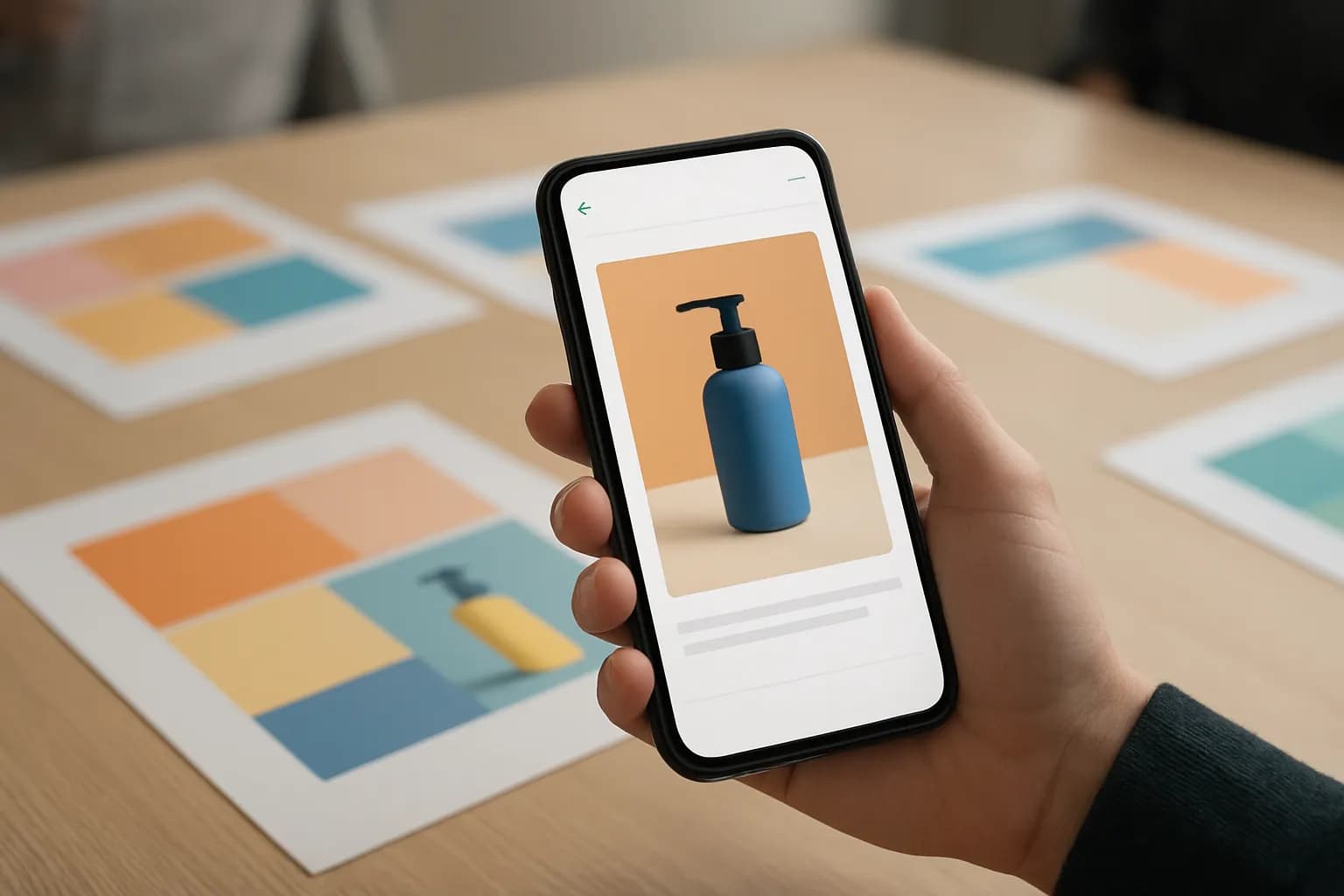
OpenAI has introduced a visual ad format in ChatGPT and expanded measurement tools, attribution partnerships and brand suitability for advertisers. The announcement summary does not explain where ads appear or who can use the format yet.
What changed
OpenAI has introduced a visual advertising format in ChatGPT, according to its announcement summary. The company also says it has expanded measurement tools, attribution partnerships and brand suitability for advertisers. Those are changes to how advertisers can present and assess campaigns, rather than a new feature for people asking ChatGPT for help with everyday work.
The available summary does not describe what a visual ad looks like, where it appears in a conversation or what the measurement tools report. It also gives no details about the attribution partners or the brand suitability controls. Advertisers should treat those points as open questions, not as features with confirmed settings or results.
Who can use ChatGPT visual ads?
OpenAI describes the visual format and related measurement changes as being for advertisers. The available announcement summary does not say which advertisers can access them, whether access is limited to particular markets or what an ad costs. It does not name a plan or provide a date when the format becomes available to everyone.
For a team considering ChatGPT as an advertising channel, the news is a reason to ask for current access and pricing information before making a budget. Teams that use ChatGPT for writing, research or other routine tasks should not assume the announcement changes their plan or gives them new advertising controls.
How do I assess it for a work campaign?
A marketing team could start with one campaign it already understands and ask whether a visual ChatGPT ad would suit the product and audience. Before committing, the team would need to learn what creative material the format accepts, where the ad may appear and how the available measurement relates to its usual campaign goals. The summary does not answer those questions.
If access is available, compare any reported results with the team's existing way of tracking that campaign. Check what the figures count, how attribution works and whether the available brand suitability options meet company requirements. OpenAI says these areas have expanded, but the summary provides too little detail to recommend a setup or predict a result.
Frequently asked questions
Does the announcement say where visual ads appear in ChatGPT?
No. OpenAI's announcement summary says there is a new visual ad format in ChatGPT, but it does not describe placement, appearance or how someone encounters an ad. Advertisers would need more information before planning creative work around a particular position or layout.
What do advertisers know about measurement and cost?
OpenAI says it has expanded measurement tools and attribution partnerships for advertisers, but the available summary does not explain what the tools measure or name the partners. It gives no price or access terms for the visual ad format.
Related reading
 Anthropic offers eligible startups a free year of Claude TeamAnthropic has expanded Claude for Startups with a free year of Claude Team for eligible companies, plus API credits for building with Claude. Startups can apply to use the team plan and development benefits.
 Mirror Particle builds AI model to predict consumer behaviorMirror Particle is building an AI model to predict how consumer behavior changes and explain the reasons behind its predictions. The company is targeting brands making market research, product and marketing decisions.
 Google adds Trello card creation to Google Chat conversationsGoogle says Trello for Google Workspace now lets people turn Google Chat messages into Trello cards, alongside its existing email feature. The updated app is available to Google Workspace customers and people with personal Google accounts who also have Trello accounts.
Tools in this piece
Written with AI from OpenAI's original and published after automatic checks: every figure here appears in the original, and no sentence is copied from it. The picture is AI-generated. The original is the authority.
Source: Building advertising for the way people use AI, OpenAI, 5 Oct 2026.