
OpenAI introduces GPT-6 Sol and Luna with different cost trade-offs
By Automate Basics, written with AI from OpenAI's original
OpenAI has introduced GPT-6 Sol and Luna, two models it describes as offering different balances of capability and cost for everyday work. The available announcement summary does not say how to access them or what they cost.
What changed with GPT-6 Sol and Luna?
OpenAI has introduced two models called GPT-6 Sol and GPT-6 Luna. Its announcement summary describes both as intended for everyday work, with different balances of capability and cost. The summary does not identify which model is more capable or which is less expensive.
For someone choosing AI tools at work, the distinction to watch is whether the two models suit different kinds of tasks or budgets. OpenAI has not provided enough detail in the available summary to make that choice yet. There are no stated examples of work tasks, performance comparisons or product features to use as a basis for recommending one model over the other.
Who can use GPT-6 Sol and Luna, and what do they cost?
OpenAI presents GPT-6 Sol and Luna as models for everyday work, but the available summary does not say who can access them. It does not name any plans, products or regions where either model is available. It also gives no prices, usage limits or access instructions.
That matters if you are deciding whether to change a team workflow or budget. The announcement establishes that OpenAI is offering a choice between two capability and cost balances, but not what either choice would mean on a bill. Before planning around either model, check OpenAI's current access and pricing information through your usual purchasing process. The available source cannot confirm whether your team can use them now.
How do I try GPT-6 Sol and Luna at work?
GPT-6 Sol and Luna are worth comparing on a routine task only if both become available through a service your workplace permits. A draft based on non-sensitive notes, such as an internal meeting summary, would let you compare whether each model follows the same instructions and produces a useful result. Check factual details against the notes, and review whether anything important was omitted or added.
OpenAI's available summary does not give steps for selecting either model, so there is no confirmed route to try them here. It also does not establish which one performs better on any particular task. If your workplace handles confidential information, follow its existing data rules rather than assuming a newly announced model is approved for that material.
Frequently asked questions
What is the difference between GPT-6 Sol and Luna?
OpenAI says the two models offer different balances of capability and cost for everyday work. The available announcement summary does not say which model has greater capability, which costs less or what tasks would favor either one.
Can my team use GPT-6 Sol and Luna now?
The available OpenAI announcement summary does not specify availability, eligible plans, prices or how to access either model. Check your workplace's approved AI services and OpenAI's current access information before making plans to use them.
Related reading
 Google tests Flipkart checkout inside Gemini and AI Mode in IndiaGoogle is testing purchases from select Flipkart listings inside Gemini and AI Mode in India, TechCrunch reports. The limited test may interest teams that use AI to research work purchases, but most users cannot try it yet.
 Meta outlines Mac computer use and connectors for Muse AI appMeta announced plans to add Mac computer use, connectors and a dedicated email address to its Muse AI app, according to TechCrunch. The features could make the personal agent more useful for work, but Meta has not said when they will arrive.
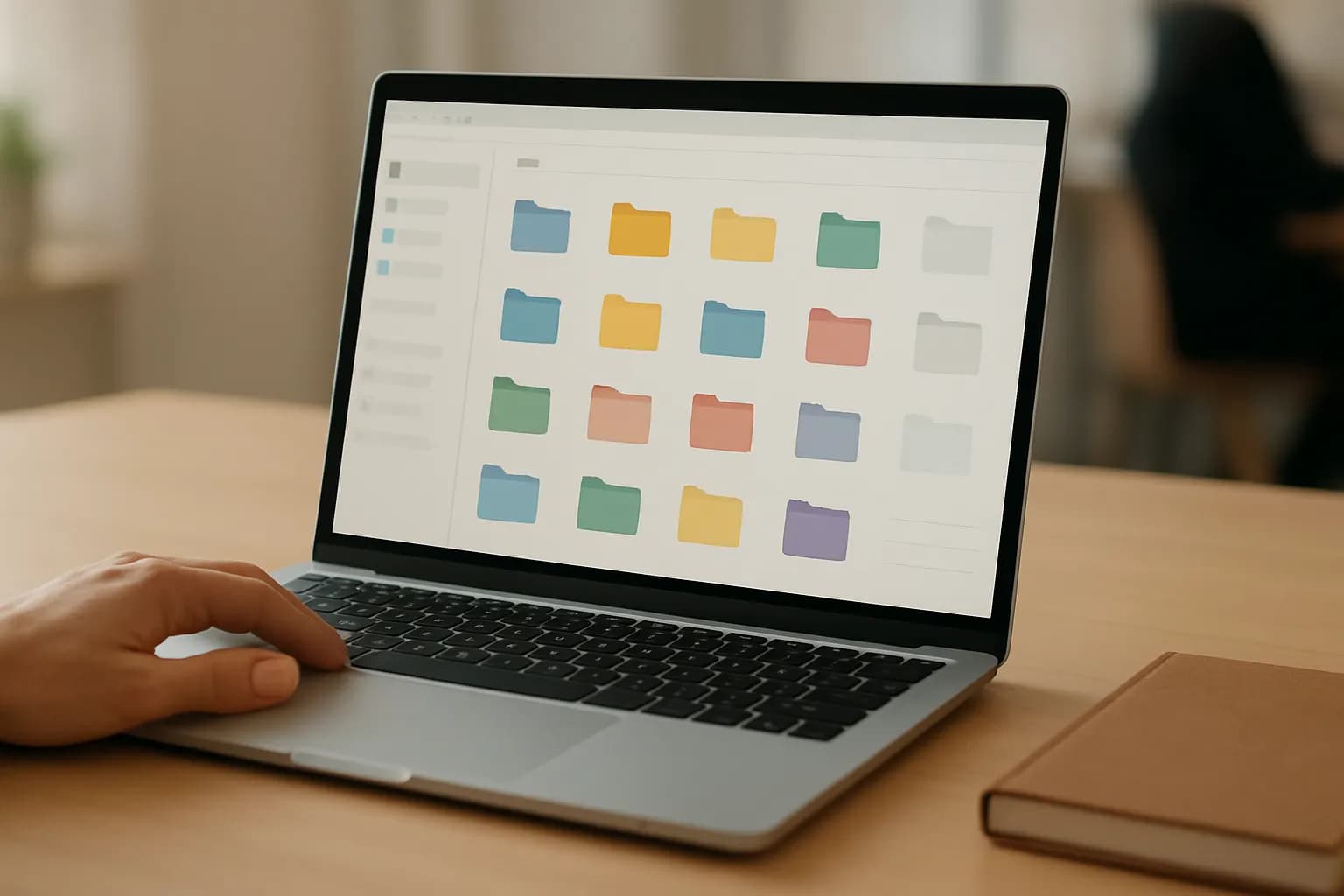 Meta's Muse now offers a browser and download for its cloud filesMeta's Muse now offers users a file browser and a downloadable archive of the files in its cloud computer, according to The Verge. The change gives people using Muse for work a more direct way to inspect that environment.
Written with AI from OpenAI's original and published after automatic checks: every figure here appears in the original, and no sentence is copied from it. The picture is AI-generated. The original is the authority.
Source: Introducing GPT-6 Sol and Luna, OpenAI, 22 Sept 2026.