
Microsoft releases a tool to improve longer-range weather forecasts
By Automate Basics, written with AI from The Verge's original
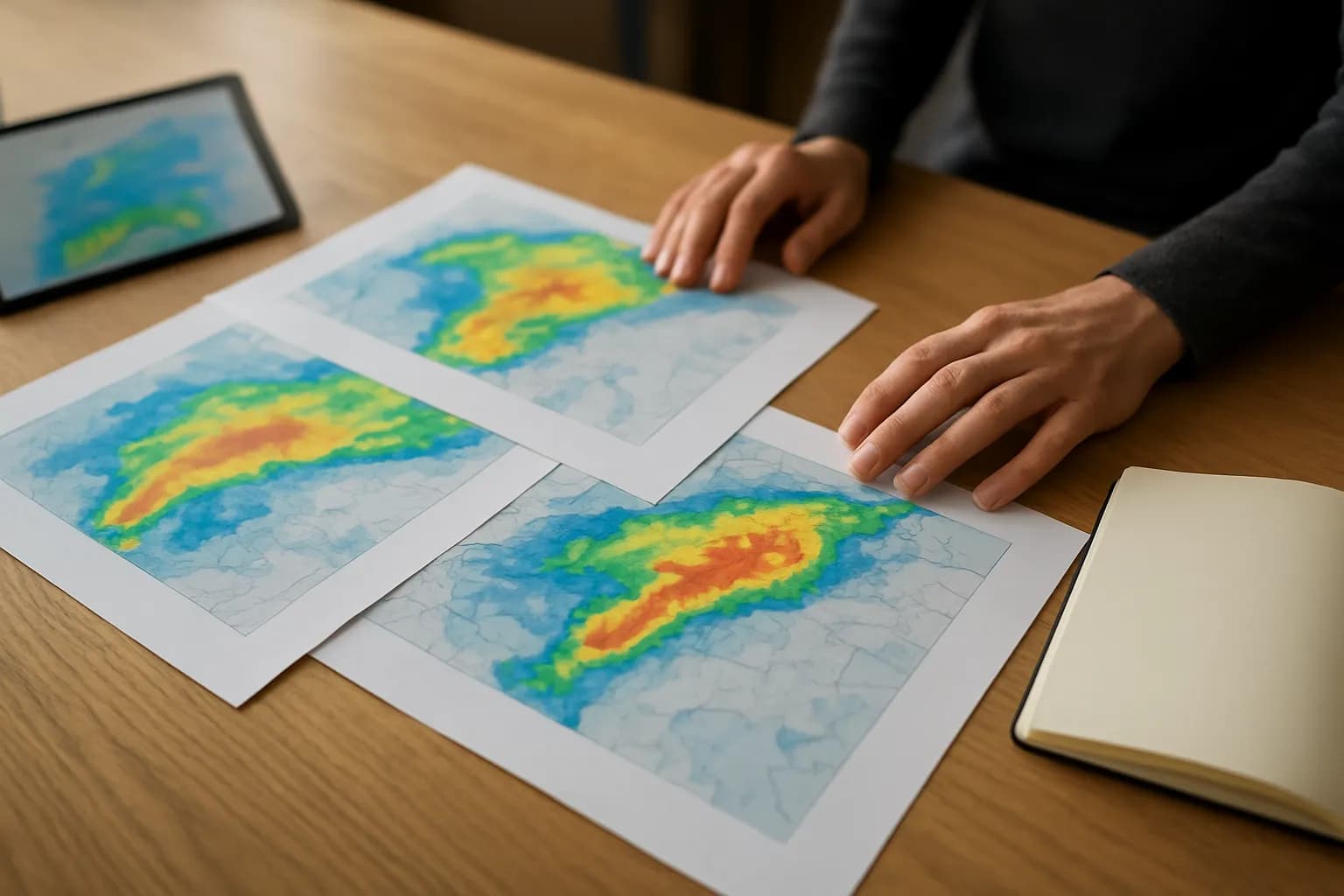
Microsoft’s open-source Probabilistic Bias Correction tool uses machine learning to adjust existing weather forecasts rather than create a new forecast model. It is aimed at teams that need more reliable predictions weeks ahead.
What changed
Microsoft has released Probabilistic Bias Correction, or PBC, as open-source software for improving existing weather models. According to The Verge, the tool uses machine learning to spot recurring errors in a model’s predictions and adjust for them. Microsoft’s researchers are focused on forecasts two to six weeks ahead, when errors can build up in both traditional and AI-based models.
In the research reported by The Verge, PBC improved predictions from a leading physics-based model and an AI forecasting system run by the European Centre for Medium-Range Weather Forecasts. Microsoft’s approach does not replace those models. For a team making plans around rainfall or temperature, the distinction matters: PBC is a way to refine a forecast it already has, not a source of weather predictions on its own.
Who can use Microsoft’s weather forecasting tool?
PBC is aimed at people and organisations that work with weather forecasts, rather than anyone looking for a ready-made weather app. The Verge reports that Microsoft’s researchers see potential for weather agencies with limited computing resources. A Microsoft researcher told the outlet that PBC can run on CPUs, unlike approaches that depend on more demanding hardware.
The software is open source, but the source does not specify a paid plan, a licence fee or a packaged service. It also does not describe a simple setup for a general workplace user. Farmers and emergency responders are among the people who could benefit from better advance forecasts, but using PBC directly would mean working with an existing forecasting model. Teams without one would need forecasts from a provider that adopts the method.
How do I try PBC for work?
A weather forecasting team could first assess PBC against a forecast it already produces, using a planning decision that depends on rainfall or temperature weeks ahead. The source describes PBC as a correction method for existing models, so a sensible check is whether its adjusted predictions perform better than the team’s usual forecast for the place and conditions that matter to its work.
For people planning staffing, supplies or field work rather than building forecasts, the immediate task is different. Ask a forecast provider whether its longer-range predictions have been checked for persistent errors in your area, and keep the uncertainty visible in any plan. The Verge reports promising research results, but an ECMWF representative cautioned that putting research into routine forecasting is a separate challenge. The source does not say PBC is already part of a forecasting service that workplaces can subscribe to.
Frequently asked questions
Does PBC create its own weather forecast?
No. According to The Verge, Microsoft’s Probabilistic Bias Correction tool uses machine learning to find and correct recurring bias in forecasts from existing weather models. A forecasting team would still need a model that produces predictions before PBC could be useful.
Is Microsoft’s PBC tool available now?
The Verge reports that Microsoft has released PBC as open-source software. The source does not give a price for using it or describe a ready-made forecasting service. It is a tool for people working with weather models, not a consumer weather app.
What did the research show about forecast accuracy?
The Verge reports that PBC improved predictions from a leading physics-based forecasting model and an AI forecasting system in the researchers’ analysis. Those findings do not establish how well it will work for every location or operational forecast. An ECMWF representative noted the difficulty of moving research into routine use.
Related reading
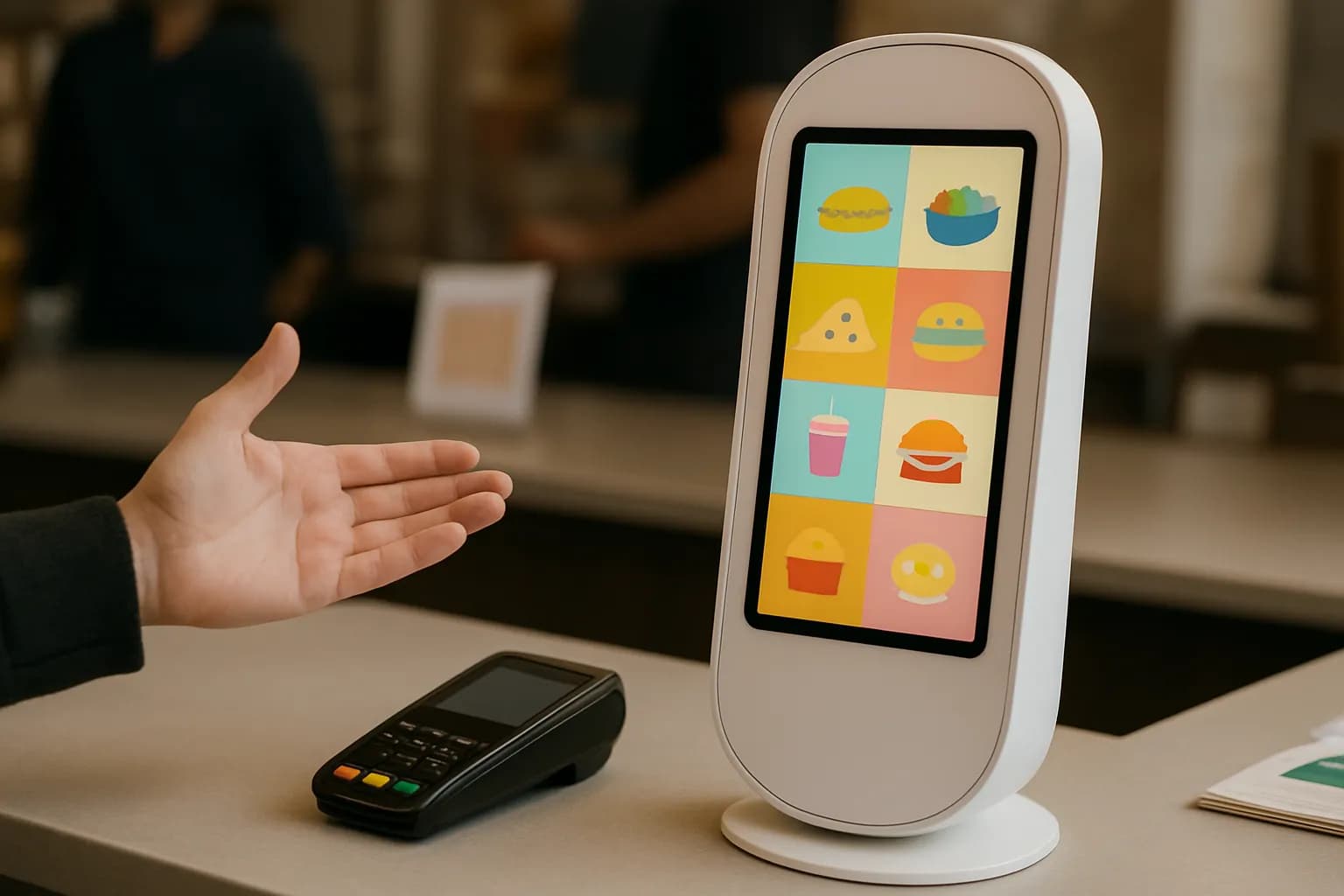 Square launches an AI voice kiosk for customer ordersSquare has launched a touchscreen ordering kiosk that lets customers talk to AI about a seller’s menu, including changes to an order. The Verge reports that it is available to businesses with Square Plus or Premium.
 Apate uses AI agents to draw out details from scammersApate uses AI agents posing as potential victims to engage suspected scammers and collect details about their operations. TechCrunch reports that banks, telecom companies and other organisations can use those findings in their fraud work.
 YouTube Music adds labels showing AI's role in songsYouTube Music is rolling out labels that show whether generative AI played a part in a song and what that part was. TechCrunch reports that the labels also extend to the main YouTube app, giving people who choose music for work more context.
Written with AI from The Verge's original and published after automatic checks: every figure here appears in the original, and no sentence is copied from it. The picture is AI-generated. The original is the authority.
Source: Microsoft has a new machine learning tool to improve weather forecasts, The Verge, 14 Oct 2026.