
Meta opens Muse Gadgets for building AI-connected hardware
By Automate Basics, written with AI from TechCrunch's original
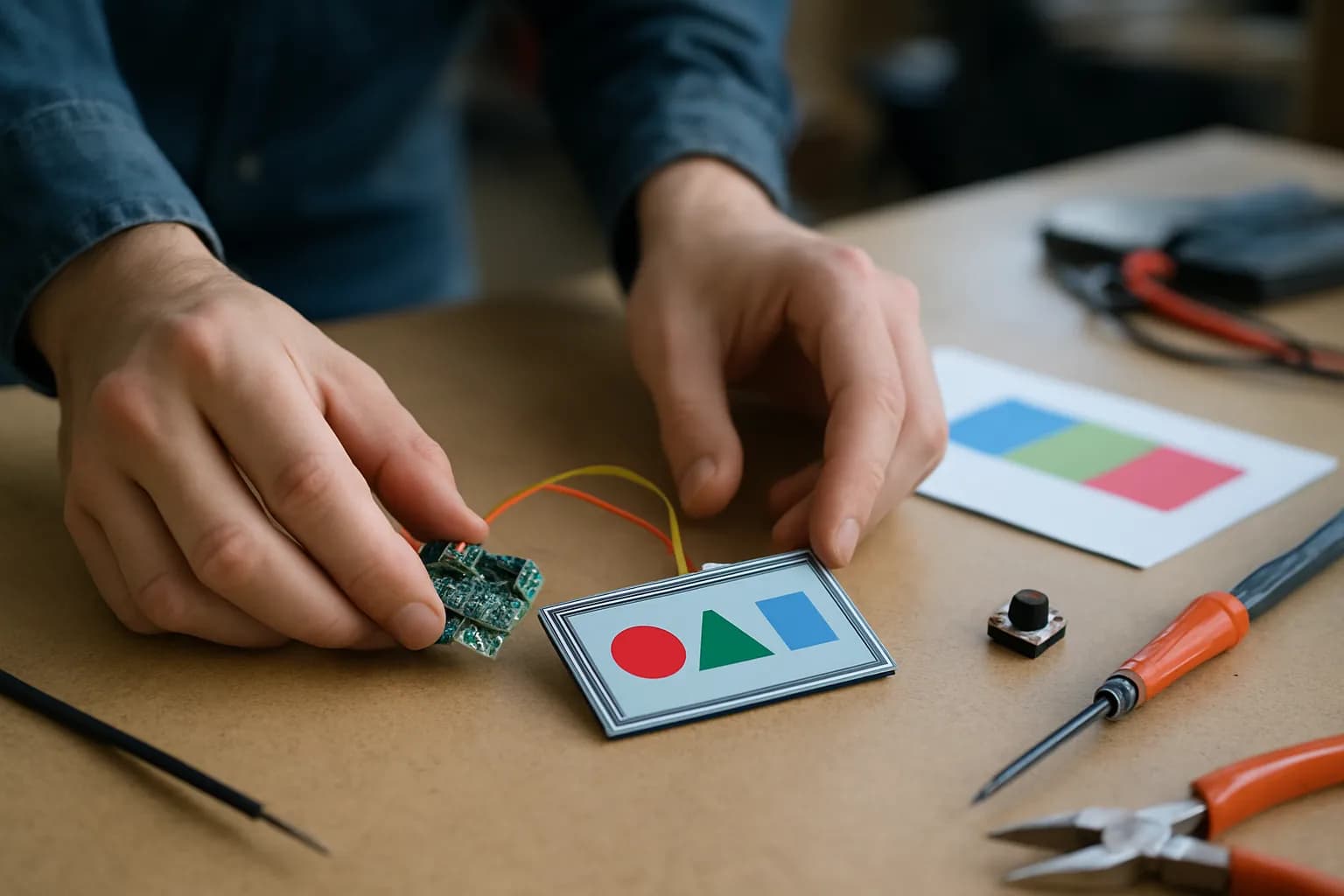
Meta has introduced Muse Gadgets, an open-source project for developers who want to connect custom hardware to its Muse AI agent. It could help teams prototype a physical way to use Muse, but it requires hardware and software work.
What changed with Muse Gadgets?
Meta has introduced Muse Gadgets, an open-source project for building devices that connect to its Muse AI agent, according to TechCrunch. Meta is providing firmware, which is software that runs on a device, and a Linux development kit. The project is for making hardware rather than adding a feature inside Muse’s chat interface.
Meta suggests projects such as a colour e-ink display or a device that plugs into a TV. It also says developers can use hobbyist computers or ready-made boards and connect displays, buttons, sensors and other components. TechCrunch reports that Meta built its own example, Muse Home Link, to connect Muse to a home network and compatible smart devices. Those examples show the range of possible devices, not finished workplace products.
Who can use Muse Gadgets, and what does it cost?
Muse Gadgets is aimed at developers and people comfortable building hardware, rather than workers looking for a no-code automation tool. TechCrunch says Meta has made the project open source and provides firmware and a Linux development kit. The report does not specify a price for using Muse Gadgets, the hardware needed to build a device, or any Muse plan requirement for a custom project.
Meta’s separate Home Link device is not the same as the open-source project. According to TechCrunch, Meta made a limited batch of Home Links to give away to Muse subscribers while supplies last. The report does not confirm whether any remain available. TechCrunch also mentions Muse for Small Business, which is free with usage limits, but does not say whether that offering works with Muse Gadgets.
How do I try Muse Gadgets at work?
A workplace team considering Muse Gadgets should start with a small physical prototype that has a clear purpose, such as testing whether a display or button would make a Muse interaction useful in a shared space. Meta’s examples include displays and buttons, but TechCrunch does not describe a ready-made workplace setup. A team without hardware development experience would need someone who can assess the firmware, development kit and components.
Check whether the prototype responds as intended, whether its physical controls are understandable, and what happens when the connection is unavailable. If the idea involves workplace information or connected devices, review what Muse can reach before using it beyond a test. TechCrunch does not provide details about permissions, data handling or reliability for custom devices, so the announcement alone is not enough to settle those questions.
Frequently asked questions
Is Muse Gadgets a ready-made device?
No. TechCrunch describes Muse Gadgets as an open-source project for developers building hardware that connects to Meta’s Muse AI agent. Meta provides firmware and a Linux development kit. Home Link is a separate example device Meta built, not the project itself.
Do I need to pay to use Muse Gadgets?
TechCrunch does not state a price or a plan requirement for building with Muse Gadgets. It reports that Meta is offering a limited batch of Home Link devices free to Muse subscribers, but does not confirm whether any are still available.
Can Muse Gadgets connect to workplace tools?
TechCrunch says Muse Gadgets can connect Muse to custom hardware components, including displays, buttons and sensors. It separately reports that Muse for Small Business connects to workplace services. The report does not say whether those business connections work through a Muse Gadgets device.
Related reading
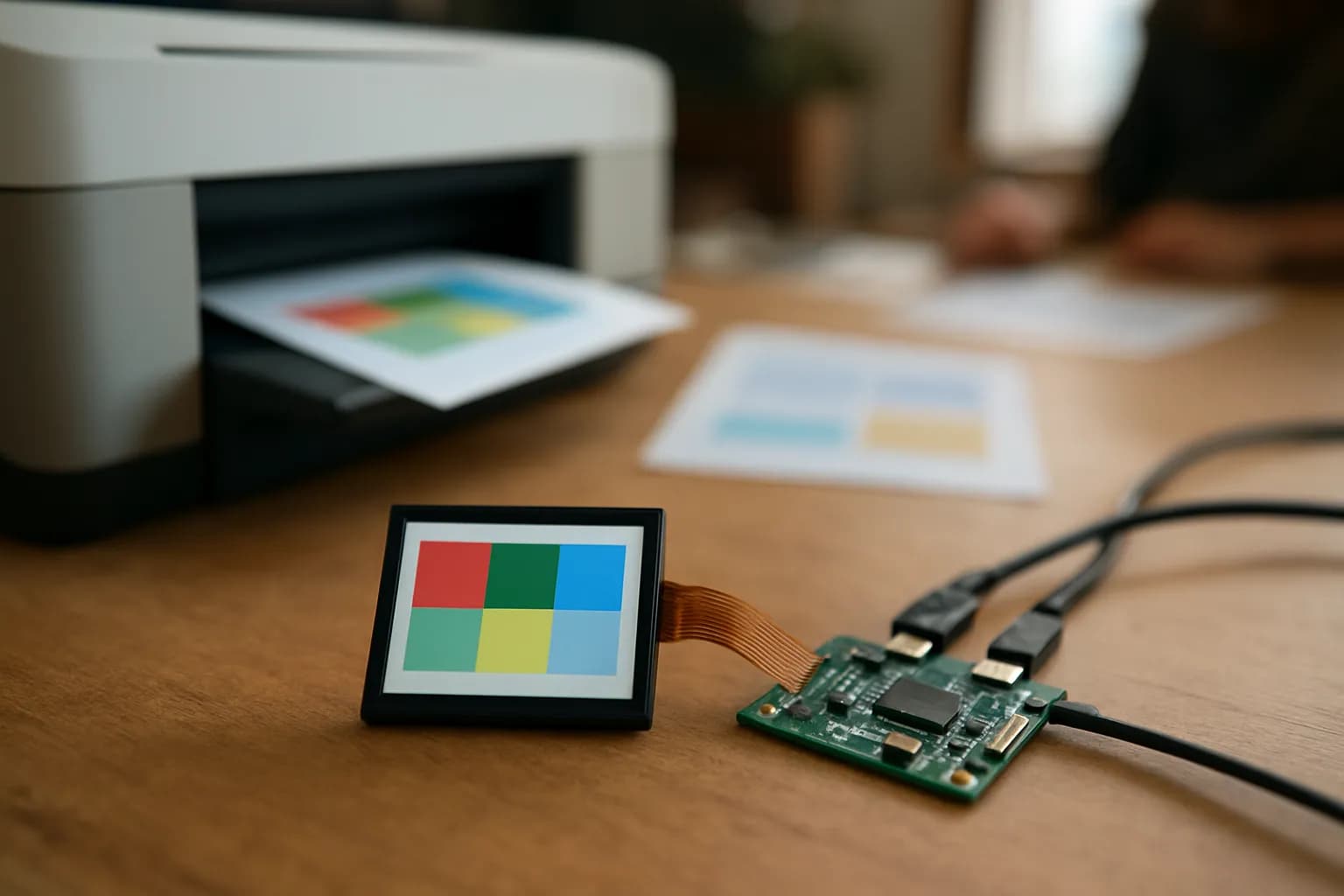 Meta opens Muse code for building custom AI devicesMeta has released code for connecting its Muse AI agent to hardware people build themselves. The Verge reports that possible projects include a reminder display, while a separate Muse Home Link device can use community-built skills to control connected equipment.
 Apple plans tighter Mac file access controls as AI agents spreadApple plans new controls for macOS Full Disk Access, a permission that can expose files, mail, messages and browsing history to an app. The change matters to people using AI agents on work Macs.
 Apple plans tighter Mac disk access controls as AI agent risks growApple plans to make full disk access on Macs harder to grant as AI agents gain the ability to act more independently, The Verge reports. The change matters to anyone who uses apps that can work with files, messages or other information on a work Mac.
Written with AI from TechCrunch's original and published after automatic checks: every figure here appears in the original, and no sentence is copied from it. The picture is AI-generated. The original is the authority.
Source: Meta wants your next gadget to be Muse-infused, TechCrunch, 3 Oct 2026.