
Laplace uses AI agents to stress-test robots and self-driving cars
By Automate Basics, written with AI from TechCrunch's original
Laplace Intelligence uses AI agents to create difficult situations for robots and self-driving vehicles inside interactive simulations. The product is aimed at teams that need to find failures before deploying physical AI.
What changed
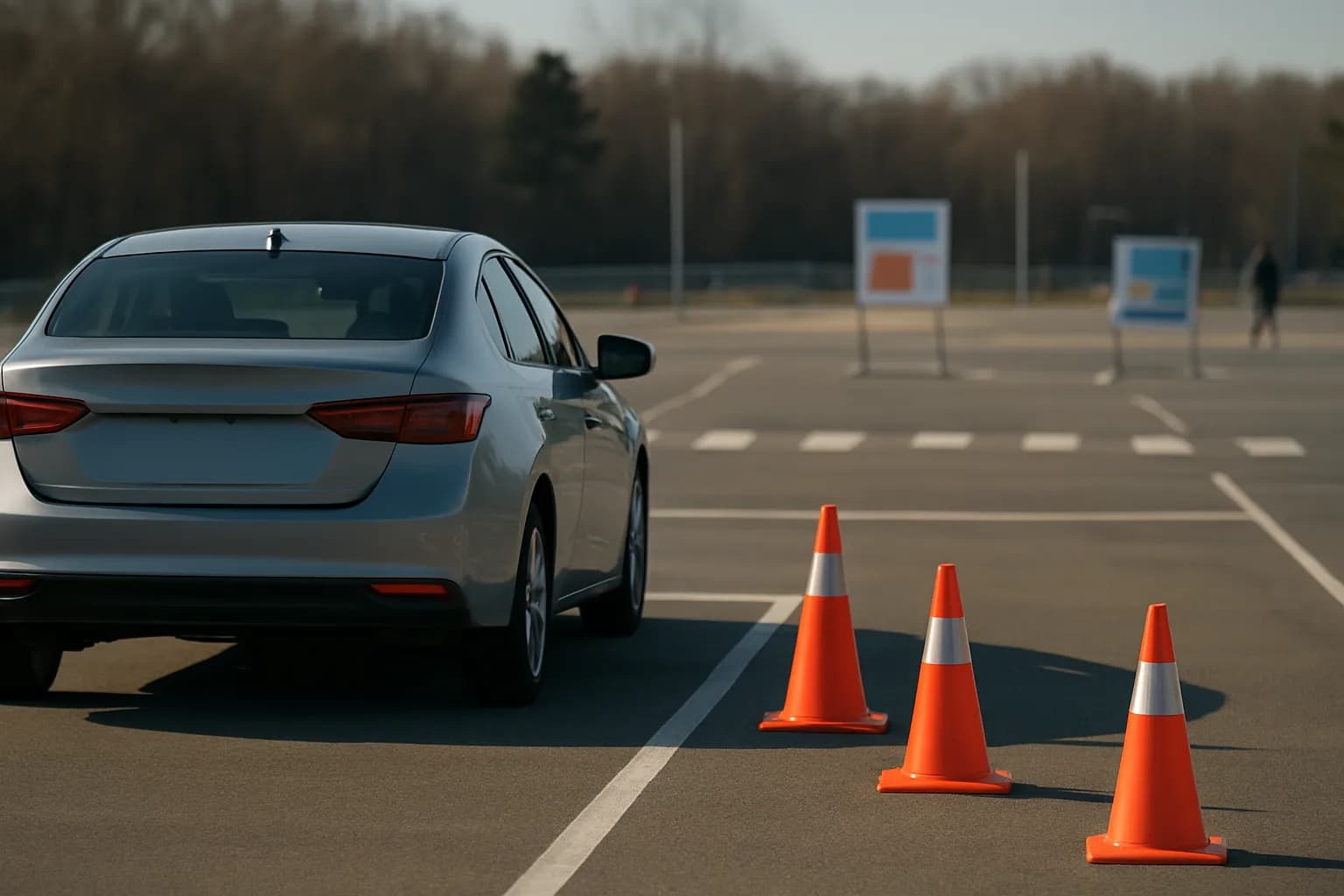
Laplace Intelligence is building a testing product that uses AI agents to look for ways robots and self-driving vehicles might fail before they operate in the physical world, TechCrunch reports. The agents design difficult scenarios inside a simulation rather than relying only on people to think of hazards.
Laplace says its simulation draws on real-world references and map data to recreate places at scale. Developers can use language prompts to alter conditions, such as traffic, while simulated road users react to one another. The company says its agents can draw ideas for tests from sources including news and collision reports. For a safety team, the practical change is a way to seek out problems that recorded driving footage or manually designed tests might miss.
Who can use Laplace’s testing product?
Laplace’s current work is mainly with autonomous driving customers, according to TechCrunch. The company is also at an early stage with partners developing warehouse robots. That makes the product most relevant to teams responsible for testing vehicles or robots before deployment, rather than office workers looking for a general-purpose AI tool.
TechCrunch reports that most Laplace customer contracts are project-based. The source gives no product price, plan list or self-service sign-up details. It mentions a free smart city pilot, but that does not establish a free option for other customers. Teams interested in the testing product would need to ask Laplace what access and terms are available for their particular project.
How could a team try it at work?
A vehicle or robotics team could start with a known safety concern that is difficult to reproduce in the real world. For a driving team, that might mean asking whether Laplace can model a relevant road layout, change traffic conditions and create interactions that challenge the vehicle’s response. TechCrunch describes language prompts for changing a simulated setting and AI agents that devise difficult cases.
The useful check is not whether a simulation looks convincing. Teams should examine whether the layout reflects the intended location, whether other road users respond plausibly and whether the system under test behaves safely in the resulting situation. Laplace’s stated aim is to expose failures before deployment. The source does not describe a standard trial process or say how customers receive test results.
Frequently asked questions
What does Laplace Intelligence test?
Laplace Intelligence is developing AI-led stress tests for physical AI, including self-driving vehicles and robots. TechCrunch reports that its agents create difficult situations inside an interactive simulation to help development teams identify potential failures before deployment.
Can any team sign up for Laplace?
TechCrunch does not describe a public sign-up process or list available plans. It reports that most Laplace customer contracts are project-based, with current revenue mainly tied to autonomous driving. Teams would need to ask the company about access for their use case.
How much does Laplace’s testing product cost?
TechCrunch gives no price for Laplace’s testing product. It describes most customer contracts as project-based and separately mentions a free smart city pilot. The pilot does not establish pricing for vehicle or robotics testing projects.
For you
Learn to do this with AI, free
Short courses for people who aren't engineers: ChatGPT, Claude, prompting and automation. Every lesson is free, with no card.
Start a free courseFor companies
Make an AI or automation tool?
List it in the directory for $9.99, refunded in full if it isn't approved, or claim its page if it is already here.
Related reading
 Nvidia launches open models for workplace agents and local PCsNvidia has introduced an enterprise agent model and smaller models for AI PCs and workstations. The open-weight models give organizations options for running agents on their own infrastructure or locally, according to TechCrunch.
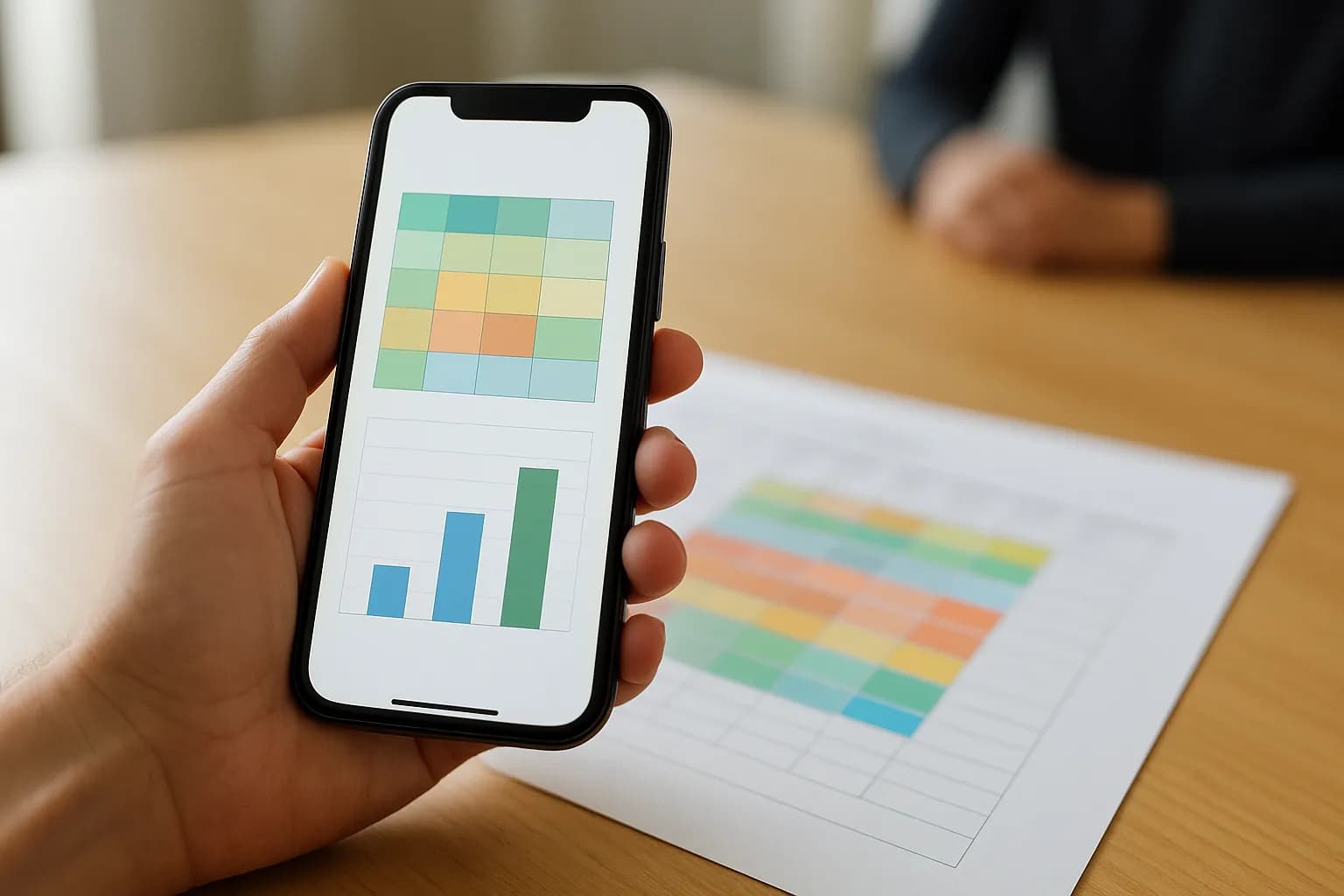 Google brings Gemini data analysis to Sheets on iOSGoogle says eligible users can now use Gemini in Google Sheets on iOS to ask questions about spreadsheet data, get analytical insights and create charts. The feature is rolling out gradually.
 Google lets Gemini users export interactive apps to Google SitesGoogle now lets people export interactive apps from the Gemini app into private Google Sites drafts. Eligible users can edit the site, add content and publish it without copying code or rebuilding the app.
Written with AI from TechCrunch's original and published after automatic checks: every figure here appears in the original, and no sentence is copied from it. The picture is AI-generated. The original is the authority.
Get the next one by email
One email, most weeks: what changed in AI for people who use it at work, and what to do about it.
Source: Laplace Intelligence red-teams robots and self-driving cars before they hit the real world, TechCrunch, 19 Oct 2026.