
Google opens SynthID media checker to everyone
By Automate Basics, written with AI from TechCrunch's original
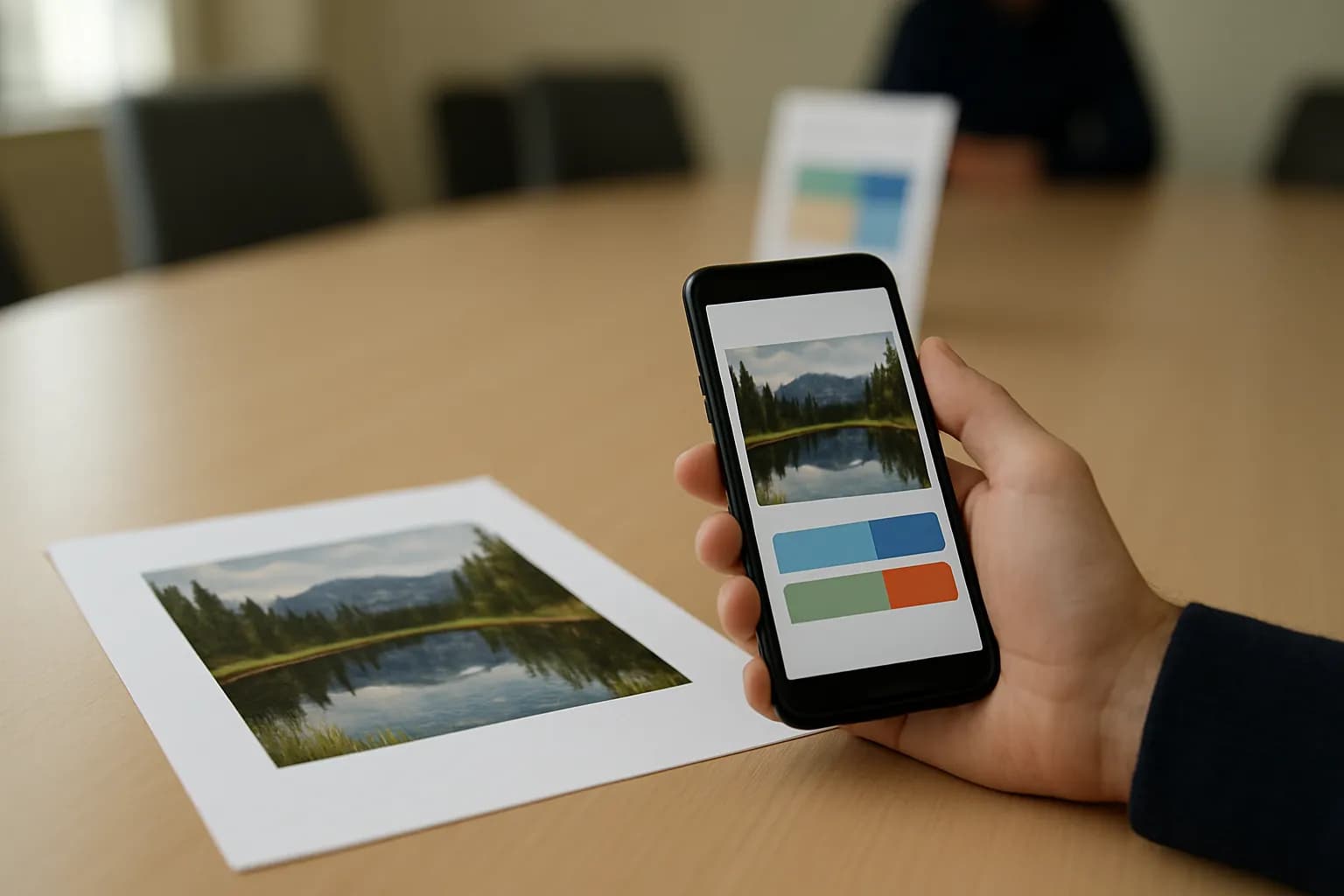
Google has opened its SynthID verification website to everyone, TechCrunch reports. People who review images, video or audio at work can use it to check whether a file carries a SynthID AI watermark.
What changed
TechCrunch reports that Google has opened its SynthID verification website to everyone. The checker accepts images, video and audio, giving people a way to look for a SynthID watermark in a media file. Google had previously made the tool available for testing to selected journalists, media professionals and researchers.
The site accepts common image formats including JPG, PNG and GIF, video formats including MP4 and MOV, and audio formats including MP3 and WAV. According to TechCrunch, Google's Nano Banana, Veo and Lyria models use SynthID to watermark generated media, as do generation tools including Gemini, Flow, ProducerAI and Vids. The check is about that watermark, not a guarantee that the site can identify every AI-made file.
Who can use Google's SynthID checker?
TechCrunch says the SynthID website is now available to everyone, rather than only the groups invited to test it earlier. That makes it relevant to people who need to assess a picture, clip or recording before using it in a presentation, publication or other work material.
The report does not specify a price, a paid plan requirement or an account requirement for the website. It also says SynthID verification is available in the Gemini app and Google Chrome, but does not describe how those options compare with the new site. For the website, the practical change reported here is broader access, not a newly stated pricing arrangement.
How do I try it at work?
A useful first check is a media file whose origin matters to a work decision, such as an image proposed for a presentation or an audio clip shared for review. The new website accepts those types of files, according to TechCrunch. Check that the file's format is supported before relying on the site for that task.
Treat the result as one piece of evidence about the file, not a verdict on whether it is authentic or safe to use. TechCrunch notes that watermark checkers can miss AI content, including output from the companies behind them. If the checker does not identify a watermark, the report gives no basis to conclude that a person made the file. Confirm its origin separately when that distinction matters.
Frequently asked questions
Can Google's SynthID website check video and audio as well as images?
Yes. TechCrunch reports that the website accepts image, video and audio files. Supported examples include JPG and PNG images, MP4 and MOV videos, and MP3 and WAV audio. Check the file format before using the site, since the report lists specific supported formats.
Does a negative SynthID result prove a file was made by a person?
No. SynthID verification looks for a watermark, and TechCrunch reports that watermark checkers can fail to identify AI-generated material. A result that does not identify a watermark should not be treated as proof of human authorship. Check the file's origin separately if it affects a work decision.
Related reading
 Google Labs launches Playground for creating games with text promptsGoogle Labs has launched Playground, a tool for creating browser games from text prompts without coding. Adults in the U.S. can make games, keep them private or share them, according to TechCrunch.
 Google launches Playground to create games from text promptsGoogle has launched Playground, an experimental browser platform that creates playable games from text prompts. For people developing game ideas at work, it offers a way to test a concept without writing code.
 Hark releases Pro assistant to handle tasks on a user's computerHark has widely released Hark Pro, an AI assistant designed to use a computer on a person's behalf. It can draw on connected accounts to suggest and carry out digital tasks, while showing its web activity in a small window.
Written with AI from TechCrunch's original and published after automatic checks: every figure here appears in the original, and no sentence is copied from it. The picture is AI-generated. The original is the authority.
Source: Google’s new SynthID website can identify AI-generated media, TechCrunch, 7 Oct 2026.