
Destro expands AI-coordinated warehouse robot rollout at Yusen
By Automate Basics, written with AI from TechCrunch's original
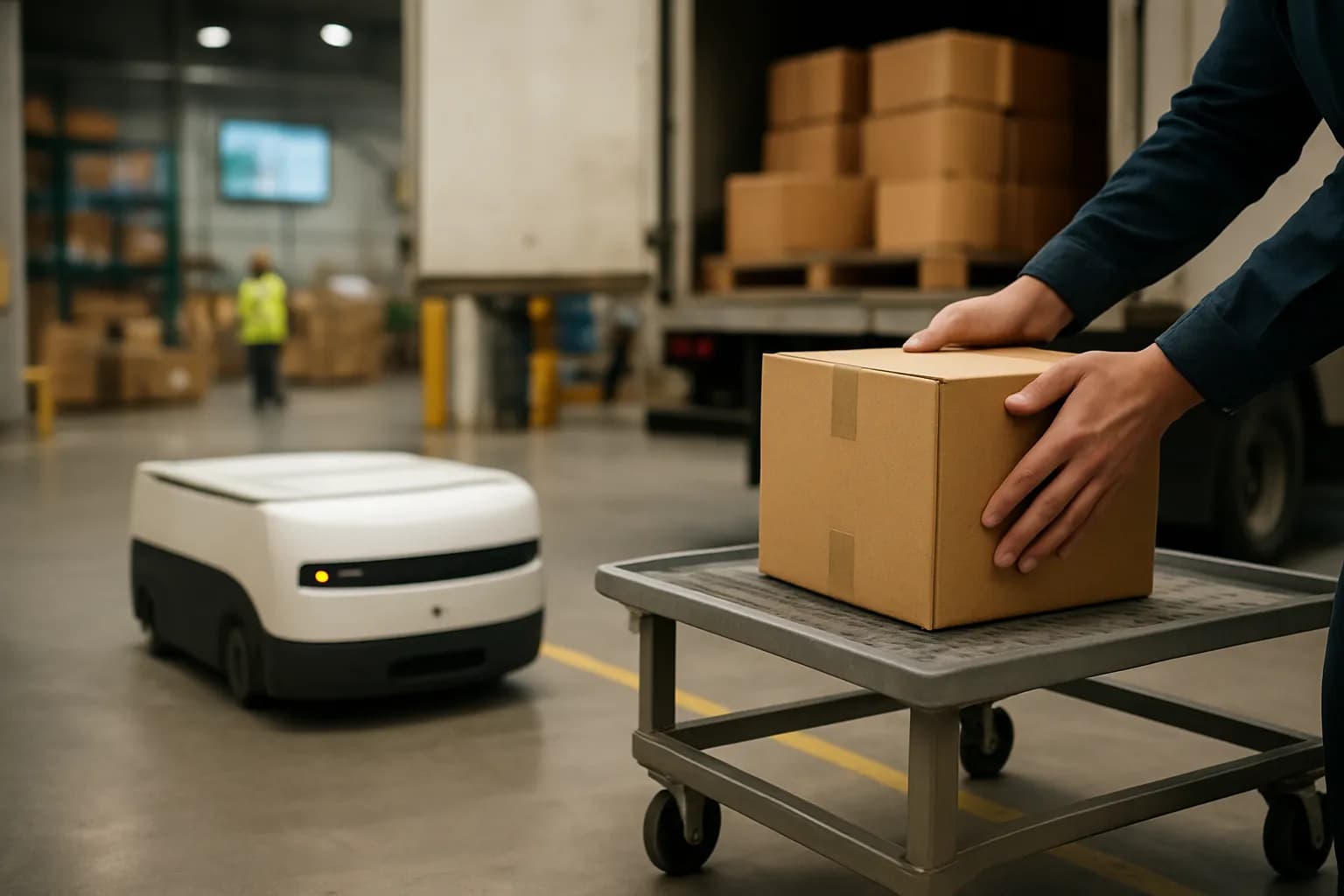
Destro is expanding a system that directs both workers and cart-moving robots during warehouse transfers. TechCrunch reports that Yusen Logistics is moving beyond an initial pilot and starting another at a second facility.
What changed at Yusen Logistics
Destro is expanding its warehouse coordination system after an initial pilot at a Yusen Logistics facility in the Pacific Northwest, TechCrunch reports. The pilot used three cart-moving robots built by Miva Robotics. Yusen is now expanding that site to 26 robots and starting a pilot with 17 robots at a Southern California facility.
Destro says its Mothership operating system directs the wider operation, including workers, carts and truck movements. During the pilot, workers sorted goods from an arriving truck into carts, while robots collected full loads and took them to their destinations. A separate Destro system called Vision operated the robots using AI models that interpret images and instructions. The distinction matters: the reported change is not a new robot design, but software intended to coordinate a warehouse task involving both people and machines.
Who can use Destro’s warehouse system?
The reported deployments are at Yusen Logistics facilities. TechCrunch does not say whether other businesses can buy Destro’s system, which plans might include it, or what it costs. Destro’s founder wants to bring the same cross-dock workflow to other warehouses, but that ambition is not an availability announcement.
The system is relevant to logistics teams that unload goods from one truck and sort them into loads for other trucks. Yusen’s automation director told TechCrunch that other robot options the company considered did not coordinate the whole process in the way Yusen needed. For a workplace considering similar automation, the useful question is whether a proposed system can direct the handoffs between workers and robots, rather than only move a cart between two points.
How do I assess this for work?
Warehouse teams can use the reported pilot as a prompt to examine one cross-dock task before considering a larger rollout. Trace how workers decide which goods go into each cart, when a cart is ready to move, and how its destination is assigned. Those handoffs are the parts Destro’s system is meant to coordinate.
If your organization can arrange a trial, check whether the resulting cart movements match the intended truck loads and whether workers can understand what to do next. Also check how the process handles a cart that is filled incorrectly or needs to change destination. TechCrunch describes Yusen’s deployment, not an independently tested result or a set of steps for trying the software. The report does not establish how the system would perform in a different warehouse.
Frequently asked questions
Does Destro make the robots used in the Yusen pilot?
No. TechCrunch reports that the initial Yusen pilot used cart-moving robots built by Miva Robotics. Destro supplied the software: Vision operated the robots, while Mothership coordinated the broader workflow involving workers, carts and trucks.
Can my warehouse buy Destro’s system now?
TechCrunch reports a pilot and an expansion at Yusen Logistics, but does not give general availability, plan or pricing details. Destro’s founder aims to bring the cross-dock workflow to other warehouses; the report does not say when or on what terms that might happen.
Related reading
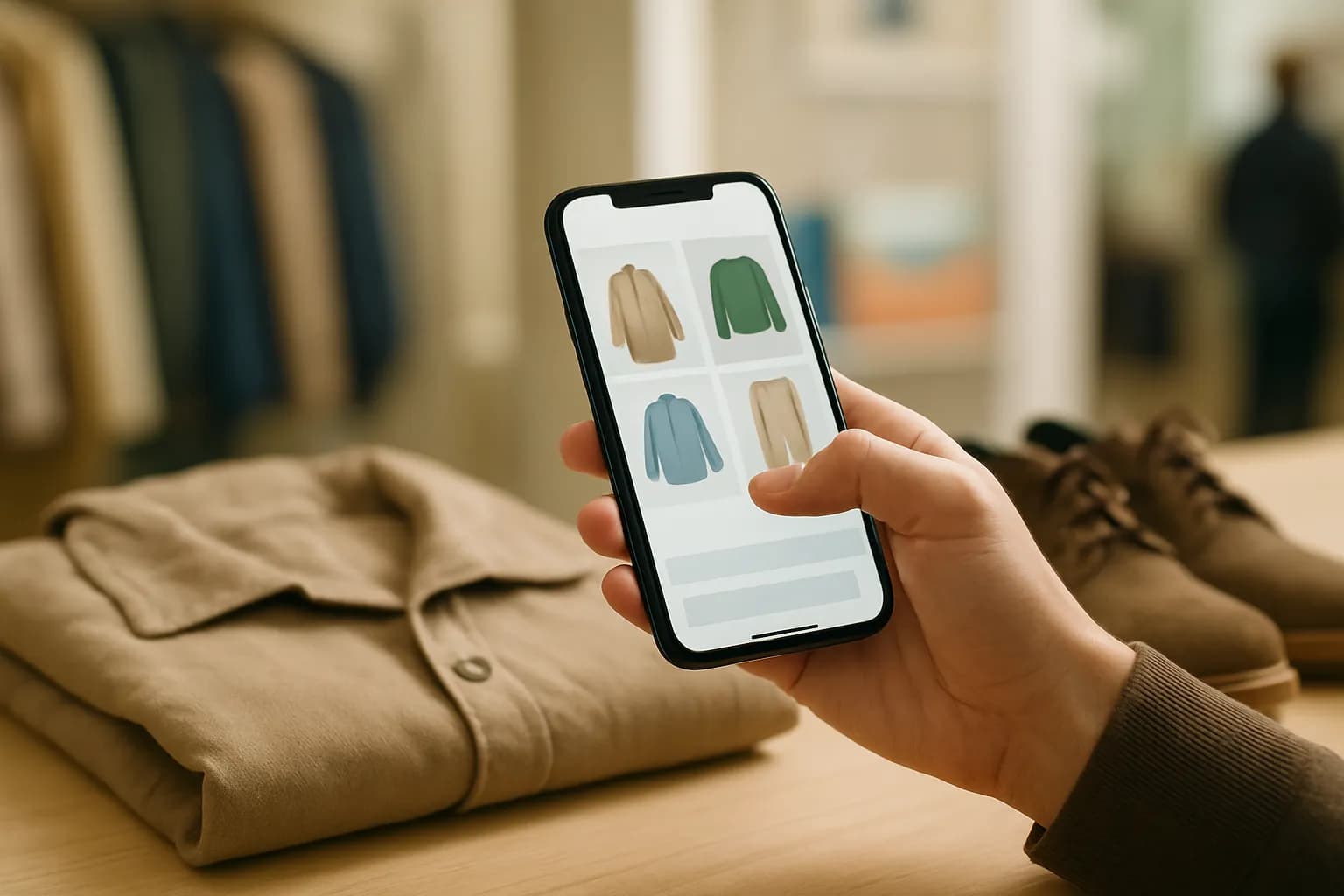 OpenAI adds virtual try-on and saved products to ChatGPTTechCrunch reports that OpenAI has launched virtual try-on and product Favorites in ChatGPT worldwide. People comparing clothing and accessories, including retail staff assembling looks, can preview items using their photos and save products for later.
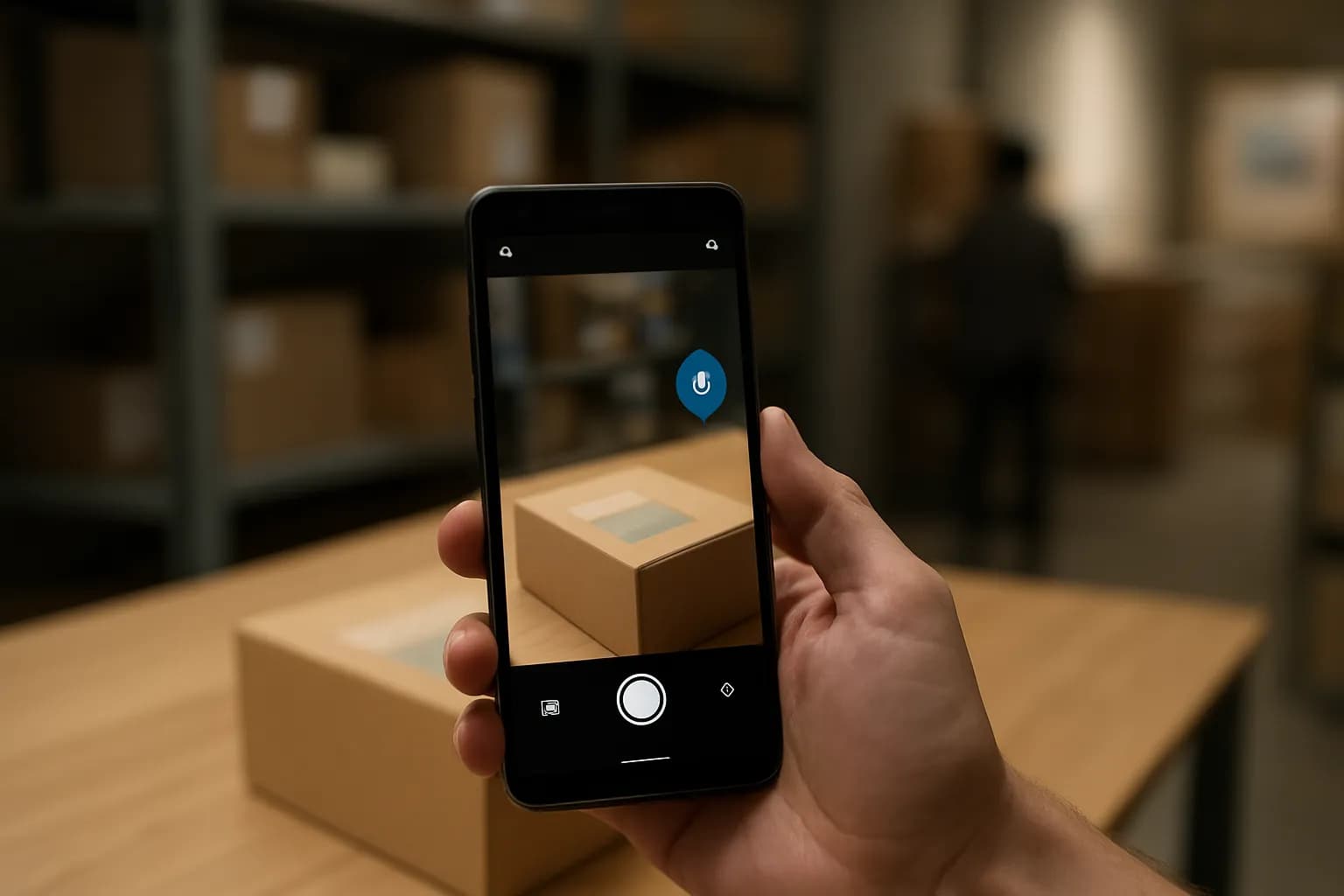 Google adds spoken camera guidance to Gemini Live on AndroidGoogle’s Guided Vision is launching in Gemini Live on compatible Android devices. It describes what a phone camera sees aloud, helping people with low vision read small text, locate objects and ask follow-up questions.
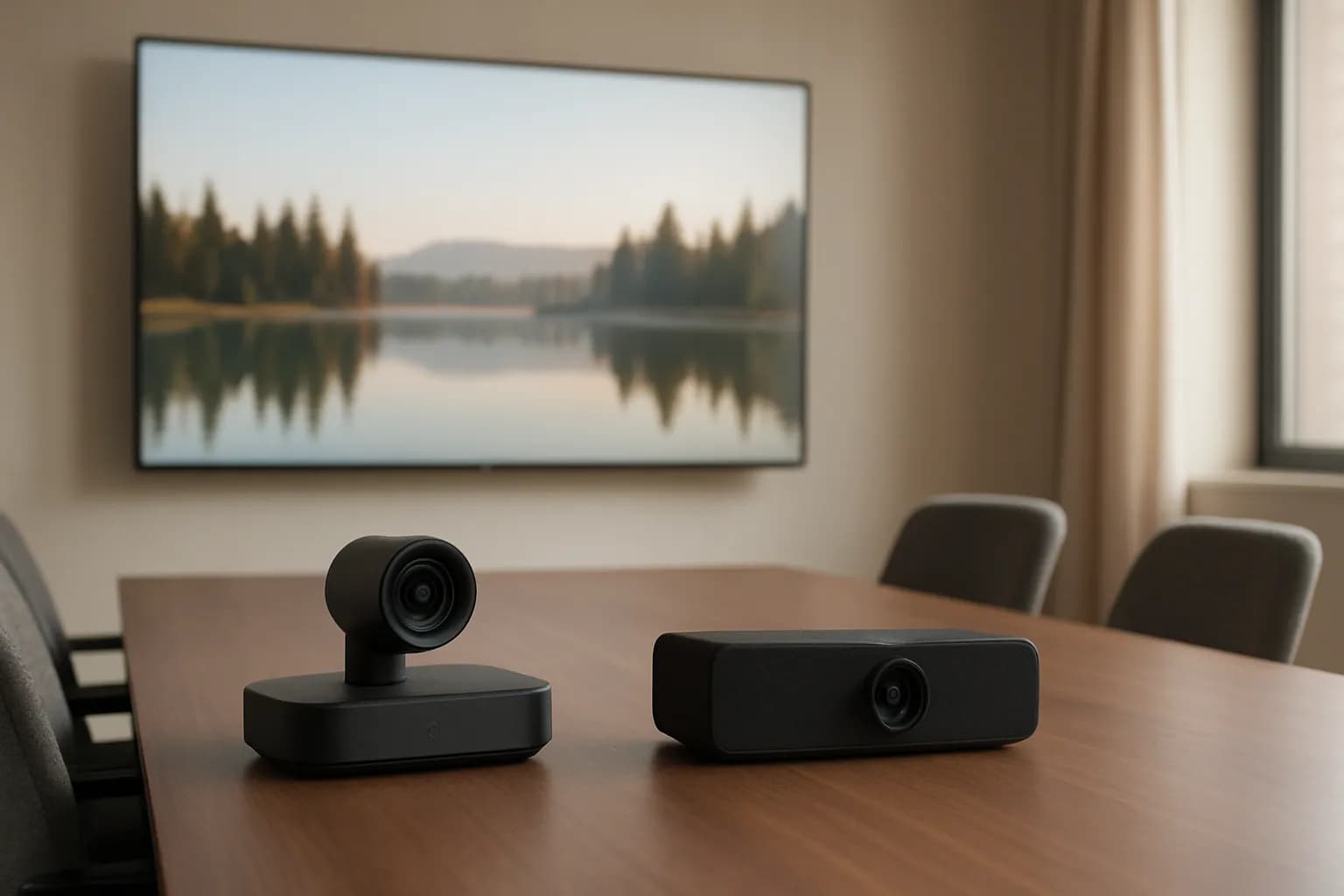 Google makes Meet and Teams meeting room devices interoperableGoogle has made meeting access between Google Meet hardware and Microsoft Teams Rooms devices generally available on compatible Android-based equipment. Workplaces can use those room devices to join meetings hosted on the other service.
Written with AI from TechCrunch's original and published after automatic checks: every figure here appears in the original, and no sentence is copied from it. The picture is AI-generated. The original is the authority.
Source: Destro AI’s secret sauce is getting robots and humans on the same page, TechCrunch, 30 Sept 2026.