
Google opens TorchTPU to help move PyTorch apps to its AI chips
By Automate Basics, written with AI from TechCrunch's original
Google has made TorchTPU open source so teams building AI apps with PyTorch can move them to Google’s chips without rewriting their apps. The change is most relevant to teams that run or manage their own AI models.
What changed with TorchTPU?
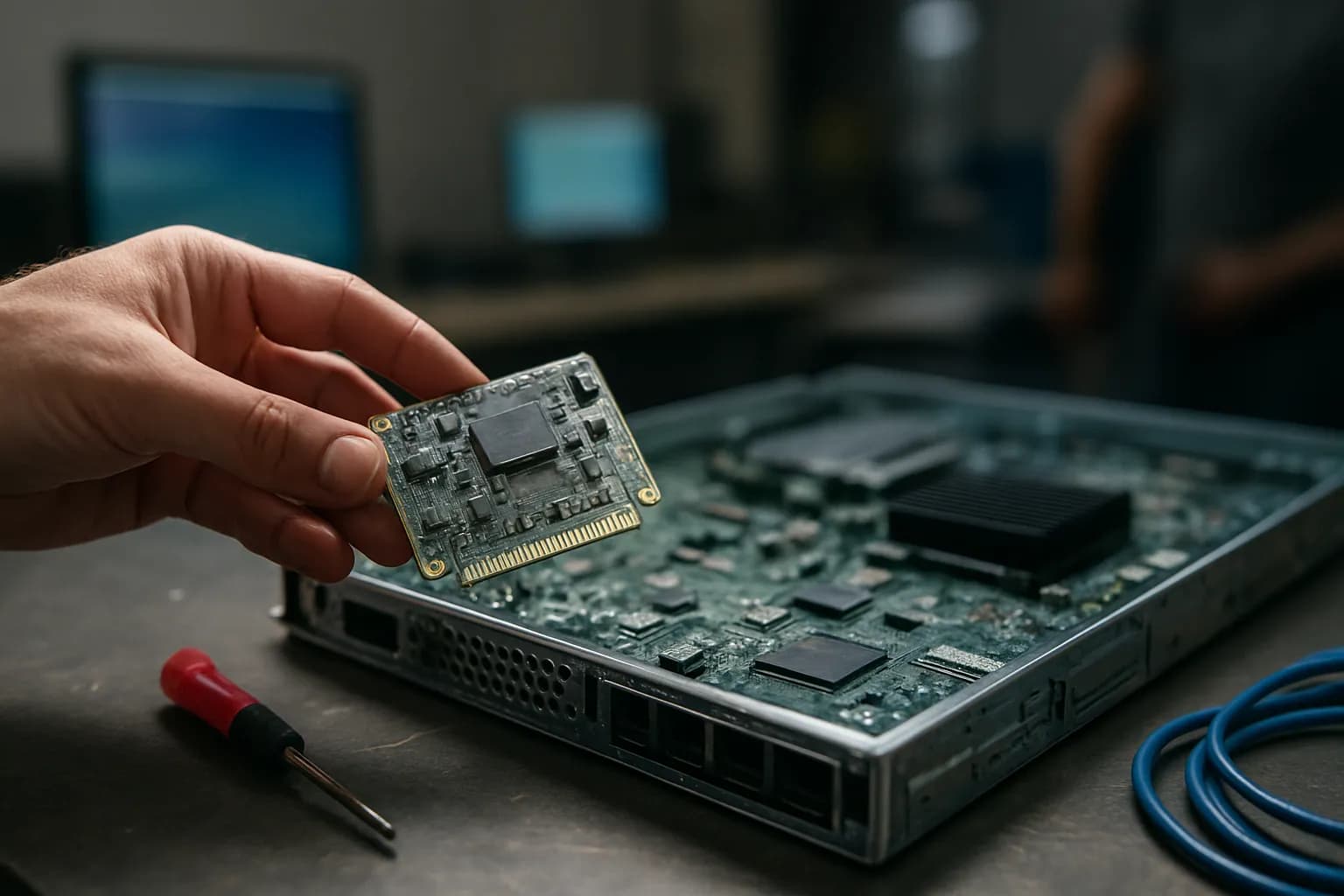
Google has made TorchTPU available as an open-source project, TechCrunch reports. TorchTPU is Google’s version of PyTorch, a toolkit used to build, train and run AI models. Google says an existing PyTorch app can move to its Tensor Processing Units, or TPUs, through a configuration change rather than an app rewrite.
Google also says it worked with Meta, Hugging Face and other AI tool makers so TorchTPU works with their development tools. Alongside the release, Google introduced a TPU agent suite intended to help developers move apps and resolve errors. It also updated LiteRT, its tool for running AI on devices such as phones and laptops, to work better with PyTorch apps.
Who can use TorchTPU, and what does it cost?
TorchTPU is aimed at developers and teams that already use PyTorch for AI apps and want to consider Google’s chips and cloud. Its open-source release makes the project available, according to TechCrunch, but the report does not specify which Google Cloud plans support it or what running an app on TPUs costs. Open source does not, by itself, mean that cloud computing is free.
For a workplace team, the relevant question is whether anyone builds or operates a PyTorch app. Someone who only uses an AI assistant for writing, research or routine automation would not need TorchTPU. A team considering a move should ask its technical owner to confirm access, expected cloud charges and whether the app’s other tools work in the proposed setup.
How should a team try TorchTPU at work?
A team with an existing PyTorch app could start with one representative workload rather than planning a full move. Ask the people who maintain the app to assess the configuration change Google describes and whether the TPU agent suite helps them identify and fix migration errors. The first useful check is whether the app runs and produces the results the team expects.
That check should also cover any development tools the app depends on. Google says it worked with makers of widely used AI tools to improve compatibility, but the report does not establish that every app will move without trouble. Compare the outcome with the current setup before making a broader decision. For a nontechnical project owner, the practical task is to agree on what a successful test must show.
Frequently asked questions
Does TorchTPU let a team move a PyTorch app without rewriting it?
Google says existing PyTorch apps can move to its TPUs through a configuration change without an app rewrite, according to TechCrunch. That is a migration claim, not a guarantee that every app and its supporting tools will work as expected. A team should check a representative app’s results.
Is TorchTPU free to use?
TechCrunch reports that Google has released TorchTPU as an open-source project, but the report does not give a price for running apps on Google Cloud TPUs or name eligible cloud plans. Teams considering a move should check their expected cloud costs before treating the migration as a saving.
For you
Learn to do this with AI, free
Short courses for people who aren't engineers: ChatGPT, Claude, prompting and automation. Every lesson is free, with no card.
Start a free courseFor companies
Make an AI or automation tool?
List it in the directory for $9.99, refunded in full if it isn't approved, or claim its page if it is already here.
Related reading
 Meta pauses Muse chat sharing after researchers find links in DNS recordsMeta has paused link sharing for Muse conversations while it reviews a report that researchers found shared chats through public DNS records. The finding matters to anyone who has put workplace information into a Muse chat and shared it by link.
 OpenAI adds locks for individual ChatGPT conversationsOpenAI is rolling out locks for individual ChatGPT conversations, TechCrunch reports. People who share a view of their device can keep selected chats apart from regular history, though a lock does not change how OpenAI handles the information.
 Spotify removes AI spam tracks from music recommendationsSpotify says it has removed more than 50 million tracks it considers AI-generated spam or low-quality content from recommendations over the past year. The change matters to artists and music teams whose work depends on listeners finding their songs.
Written with AI from TechCrunch's original and published after automatic checks: every figure here appears in the original, and no sentence is copied from it. The picture is AI-generated. The original is the authority.
Get the next one by email
One email, most weeks: what changed in AI for people who use it at work, and what to do about it.
Source: Google has joined Amazon in attacking Nvidia’s stronghold with AI app developers, TechCrunch, 20 Oct 2026.