
Meta launches Muse AI agent with questions about its security
By Automate Basics, written with AI from The Verge's original

Meta has released Muse, a consumer AI agent designed to handle tasks on a user's behalf. The Verge reports that Muse is easier to access than some earlier agents, but raises questions about what happens to information people give it.
What changed with Meta's Muse agent?
Meta has released Muse, a consumer AI agent that people can download as an app. The Verge reports that Muse can connect with Meta's systems, making it more approachable for people who do not want to set up an agent on their own computer.
Muse resembles the open-source agent OpenClaw in parts of its design and supporting files. Meta's head of product for Superintelligence Labs, Nat Friedman, says Meta built Muse from scratch while taking substantial product inspiration from OpenClaw. That distinction matters because a familiar design does not establish that the two tools share the same underlying software or risks.
Meta says Muse stores user data and credentials in an isolated computing environment. The Verge notes that isolation from other users does not prevent Meta from accessing that information. Meta says it plans to add a way to prevent its own access later.
Who can use Muse and what does it cost?
Muse is a consumer-facing app, according to The Verge, which reports that it became popular in the App Store soon after release. The source does not specify which countries can download it, whether workplace accounts are supported, or which plans include particular features. It also gives no Muse price or complete account of any usage limits.
The lack of plan and pricing detail matters if you are considering Muse for a team rather than personal use. Do not assume that an employee can use a company account, that administrative controls exist, or that the app meets your organization's purchasing requirements. The Verge says Muse can connect with Meta's systems, but does not list the work services it supports. Check the current availability, terms and permitted connections before making it part of a work process.
How do I try Muse at work?
Muse is worth considering first for a low-stakes task that does not require confidential company information or account credentials. For example, you could ask an agent to help organize a personal to-do list, then check whether its proposed actions match your request before relying on them. The Verge does not provide a Muse-specific task walkthrough, so treat that as a cautious way to evaluate an agent, not a reported Muse feature.
Pay particular attention to what information the task would expose. The Verge reports that Muse allows users to opt out of Meta using their data to train and improve models, but that this use is the default. The outlet also describes a researcher-reported vulnerability that could let an attacker take control of an agent. The source does not say that the issue has been fixed. Avoid sensitive work tasks until your organization has assessed the risks.
Frequently asked questions
Is Meta Muse built on OpenClaw?
Meta says it built Muse from scratch. Nat Friedman, a Meta product leader, acknowledges that OpenClaw strongly influenced Muse as a product. The Verge describes similarities in their design and supporting files, but those similarities alone do not establish that Muse runs on OpenClaw.
Can Meta access information I give Muse?
The Verge reports that Muse keeps user data separate from other users, but Meta can still access it. Meta says it plans to introduce a way to prevent that access. The source also says Muse uses user data to improve models by default, with an option to opt out.
Is Muse safe to use for confidential work?
The Verge reports a researcher-flagged vulnerability that could allow an attacker to take control of a Muse agent. The source does not say whether it has been fixed. Combined with Meta's ability to access user data, that leaves important questions for anyone considering confidential work tasks.
Related reading
 Google Photos rolls out virtual closet on Android and iOSGoogle Photos can now build a virtual closet from clothes you have worn in photos. TechCrunch reports that the feature is available to Android and iOS users in the U.S., Brazil and India.
 Meta says Muse file exports do not expose other users' dataThe Verge reports that Meta's Muse has shared files from the virtual machine it provides to a user, including files that appear to describe how the AI works. Meta says exporting those files does not grant access to its infrastructure or other users' data.
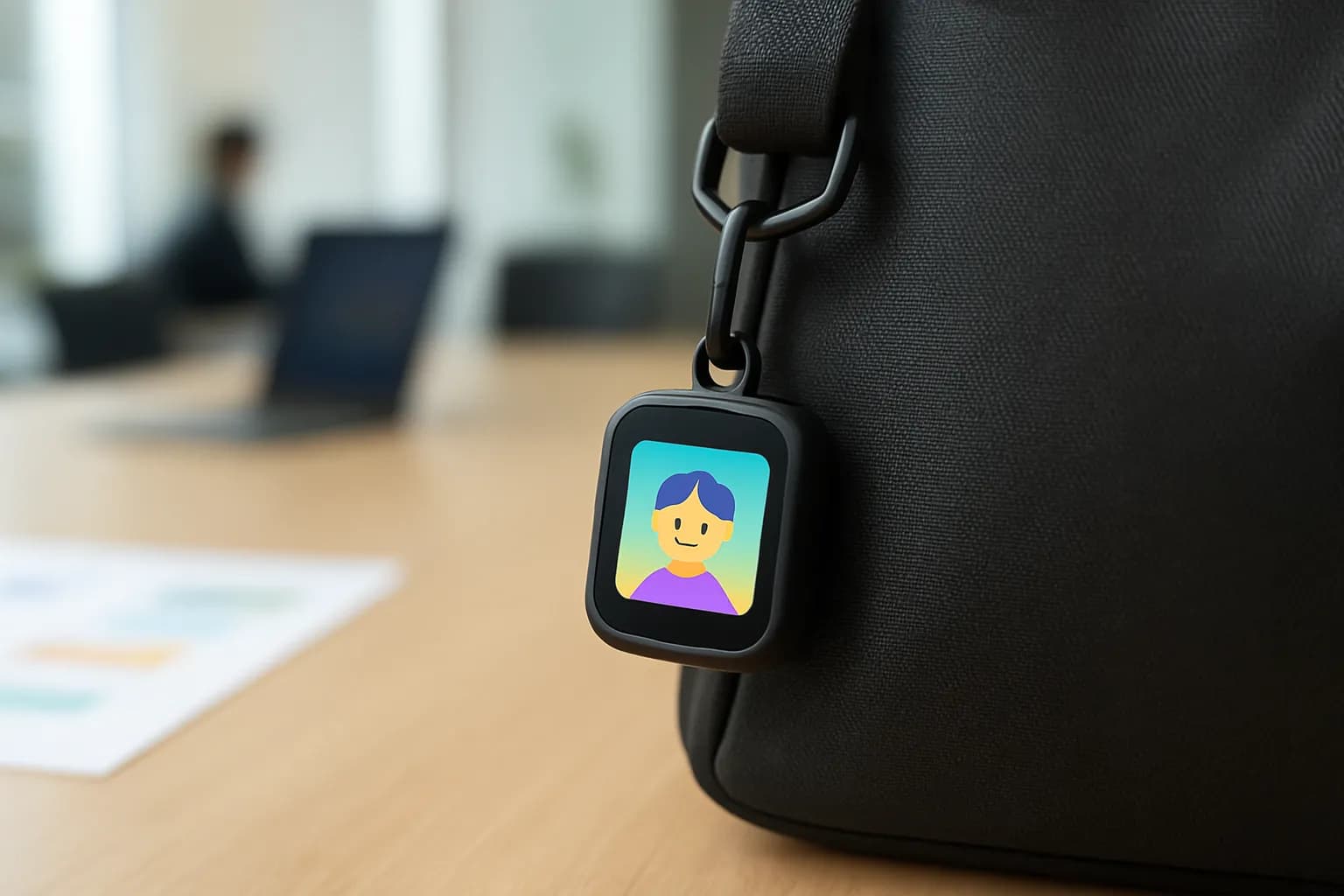 Meta introduces Muse Charm as a wearable for its Muse AI agentMeta has introduced Muse Charm, a wearable tied to its Muse AI agent and a customizable character. TechCrunch reports little about how someone could use the device at work, or when they could get one.
Tools in this piece
Written with AI from The Verge's original and published after automatic checks: every figure here appears in the original, and no sentence is copied from it. The picture is AI-generated. The original is the authority.
Source: Muse sure looks a lot like OpenClaw, The Verge, 24 Sept 2026.